
Autoflex-Knott : From Hungarian Roots to Global Roads: The Autoflex-Knott Expansion
From its beginnings as a Hungarian manufacturer to becoming a globally recognised supplier of trailer components, Autoflex-Knott has built its success through engineering expertise, strategic partnerships, and a long-term vision for growth. By expanding beyond Europe and establishing two companies in the US, the company has strengthened its international presence and positioned itself as a key player in the global trailer technology industry, as we find out from the leadership team.
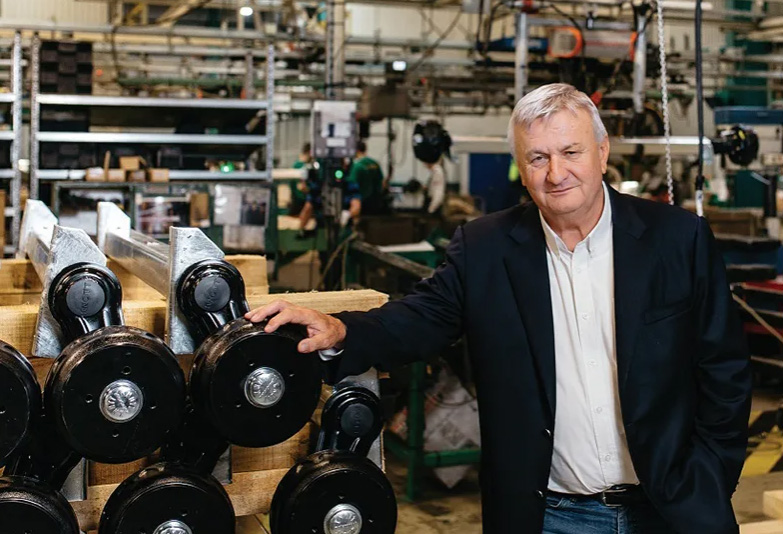
Specialising in the development and production of trailer components and towing systems, Hungarian manufacturer Autoflex-Knott operates as part of the international Knott Group – a well-known, German family-owned business.
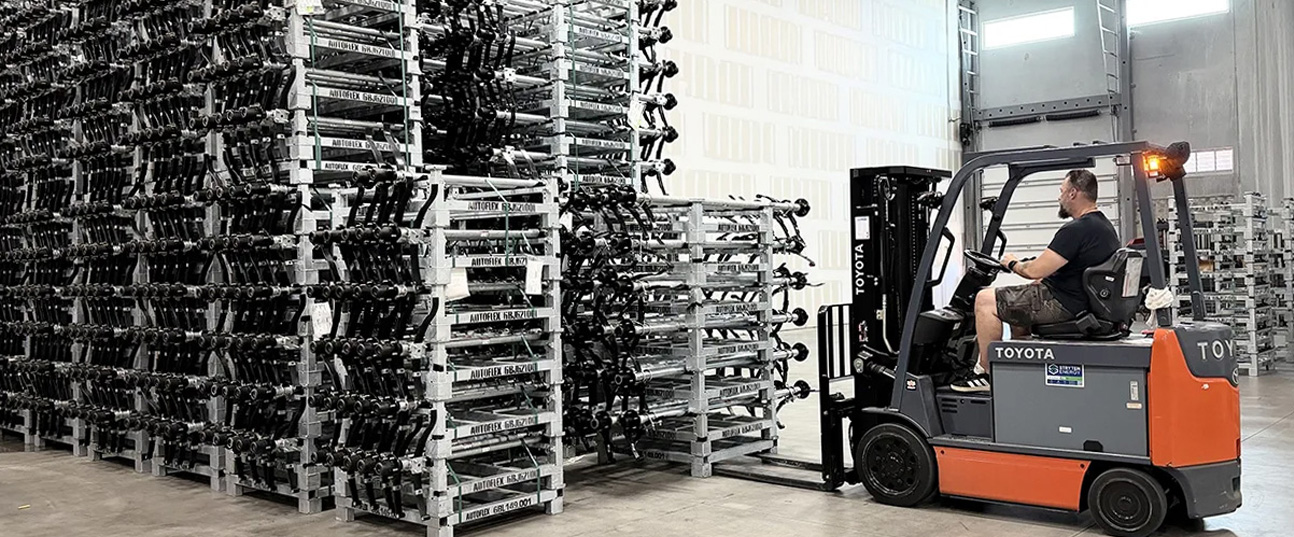
Headquartered in Kecskemét, Hungary, Autoflex-Knott supplies braking systems and trailer technologies worldwide from large production plants equipped with modern machining, assembly, and testing capabilities.
By expanding its infrastructure to include multiple production halls, engineering and development units, logistics centres, and quality-control laboratories, the company has enabled a comprehensive production process, from design and prototyping to serial manufacturing and global distribution.
Serving trailer manufacturers and distributors across Europe and internationally, Autoflex-Knott supports industries like transportation, agriculture, construction, and recreational vehicles (RV).
Originally manufacturing complete trailers and tow bars, the company has shifted its focus to components and systems, including axles, brakes, couplings, and suspension parts, primarily for light- and medium-duty trailers.
A significant turning point in its journey was the strategic partnership and later integration with Knott Group, which strengthened the company’s technological capabilities and international reach, combining local manufacturing expertise with advanced German engineering.
Autoflex-Knott subsequently diversified into the US market, where it designs products for trailers with capacities of up to 10,000 pounds (lbs), compared to 7,000 lbs in Europe.